
Celebrating Yule:
Honouring the return of light in the Winter Solstice

Table of Contents
What is Yule?
Yule, often referred to as Yuletide, is an ancient pagan festival marking the winter solstice—the shortest day and longest night of the year—a symbolic death and rebirth of the sun. Celebrated in the Northern Hemisphere around December 21 and in the Southern Hemisphere around June 21, the festival announces the return of light as days start to lengthen after winter solstice.
In pagan traditions, such as Wiccan and Druidic practices, Yule celebrates the rebirth of the Great Horned Hunter God, synonymous with the newborn solstice sun. It is a time of hope, renewal, and the dawning of spiritual growth.
The origins of Yule and the Winter Solstice
Yule originated from the ancient Indo-European tribes who revered the winter solstice as the turning point of winter. The Norse people, in particular, celebrated Yule from late December to early January on a date determined by the lunar calendar.
It was Germanic people, however, who named the festival Yule. To celebrate the return of the sun, they lit massive yule logs, feasted, and revelled in merriment until the log burned out—often for 12 days. This practice birthed the Twelve Days of Christmas tradition.
With the spread of Christianity, Yule traditions were adopted and transformed. The rebirth of the sun god translated into the birth of Jesus Christ, changing Yule into Christmas. But, the old customs lingered, and we still see them today in the lighting of candles, burning of the yule log, decorated evergreens, and festive carolling.
The Myths & Folklore of Yule


Old Norse and Anglo-Saxon myths tell of the Yule-boar, a symbol of the god Frey who ruled over peace and prosperity. At Yule, a boar was sacrificed and a toast made in honour of Frey. This practice is thought to be the ancestor of the Christmas ham tradition and the boar-shaped bread or cookies baked for Yule.
The Wild Hunt myth also tells of the god Odin riding a swift, spectral horse across the night sky, with a host of fallen heroes, gathering the lost and weary souls. The vaulting ride of the Wild Hunt symbolises nature’s wrath and the chaos of winter, which people hoped would be quelled with the return of light at solstice.

Yule is more than just a celebration—it’s a mesmerizing saga, a portal into the age-old traditions that have profoundly influenced our cultural and poetic tapestries. It’s an enduring story that resonates throughout history, murmuring tales of ancient myths beneath the majesty of the winter sky and the hushed silence of snowfall. From the jubilant carols sung by heartfelt voices around a roaring Yule log to the folktales of spectral hunts and the Sun God’s rebirth, Yule paints a vivid picture of reverence, hope, and the ceaseless dance of darkness and light.
The essence of Yule pulses through the celebrations, creating an immersive and unforgettable experience.

Symbolic Plants at Yule

Ivy
Ivy, symbolising the female element, partners with holly in Yule decorations to create a balance between male and female energies.

Mistletoe
Mistletoe, a plant of peace and healing properties, is commonly hung in doorways for good luck and used during druidic ceremonial rites.

Pine
No Yule celebration is complete without the symbolic evergreen trees and shrubs, representations of eternal life.
How Can I Celebrate Yule?

Celebrate with a feast
The Yule feast is a key component of the Yule celebration, marking the winter solstice and the return of the sun. It’s steeped in meaning and provides an occasion for gathering in joy and shared enchantment Traditional Yule foods include nuts, apples, pears, cakes, cookies, and hams.
Burn a Yule log
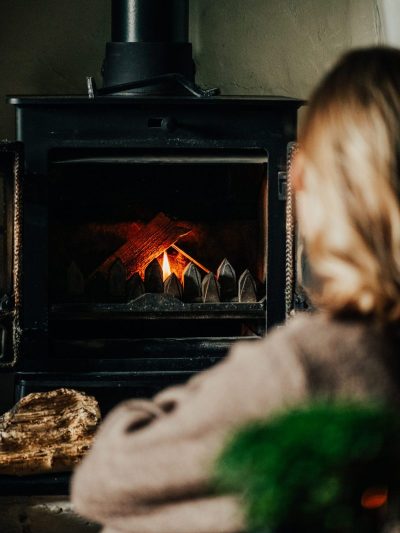
You can honour the tradition of the Yule log by selecting a special log (or even a large candle), decorating it, and then burning it in your hearth or outdoor fire pit. As the log burns, make wishes for the coming year.

Create a Yule alter
Assemble an altar focused on the winter solstice. You can include symbols of the sun, evergreen boughs, holly, mistletoe, candles to represent light, and silver and gold to symbolise the solar energy.
Interaction with the natural world
Samhain invites us to bond with nature, engaging with the vibrant array of leaves and foliage which characterizes this season. Through this connection, we can appreciate the beauty of the cycle of life, death, and rebirth, all themes central to the Samhain festival.

Go on nature walks
Spending time in nature during Yule unites us with the earth’s rhythms and cycles. Walks in the cold, crisp air invigorate the senses and refresh the spirit.

Go foraging
Collect evergreen branches, holly sprigs, and pine cones to decorate your home and altar and to use in rituals. Here is a fantastic article on how to forage for and decorate your home with nature at Yule.

Watch sunrise or sunset
Welcome back the sun by watching the sunrise or set on the solstice. It is a powerful time to reflect on the past year and your hopes for the next.
Final Thoughts
Celebrating Yule and observing the winter solstice allows us to slow down, reflect on our paths, cherish warmth and light, and honour the balance of darkness and hope. Just as the sun returns after the longest night, we can find light in the peaceful, restorative quietness of winter and the promise of longer days to come.
As we move through Yuletide, whether we light a candle, burn a Yule log, or take a nature walk, may the spirit of Yule bring healing, comfort, and joy. For in the silent depth of winter, we understand that even under the snow, life is brimming, waiting to be reborn.
So in the spirit of Yule, let’s welcome the return of light, celebrating the enduring cycle of life and the sun’s rebirth. Blessed Yule!

As Yule’s mantle falls, the sun takes its rest,
Ancient fires flicker, reminding us we’re blessed.
In winter’s grip, a solemn promise made,
From longest night, light will never fade.
Through Yule’s tender turning, hope is repossessed.
MOVE WITH THE SEASONS
For a simple way to honour the cadence of nature, we have a candle for each of the four seasons, reflecting the natural aromas at each turn of the year. These help us to tune into the changing rhythms of nature and bring the outside in.


